
A good motorcycle policy is built around the bike you actually ride: a liability limit sized to what you could lose, comprehensive coverage for theft and weather, and the accessories and custom parts you added counted in the coverage, not left out of it.
Avanti Group sees riders buy the cheapest motorcycle policy that satisfies the law and then find out, after a claim, what it never covered. This article explains how to size liability, what comprehensive covers on a bike, and why accessories and custom work are the most common gap. For the wider picture, start with Avanti’s personal insurance guidance.
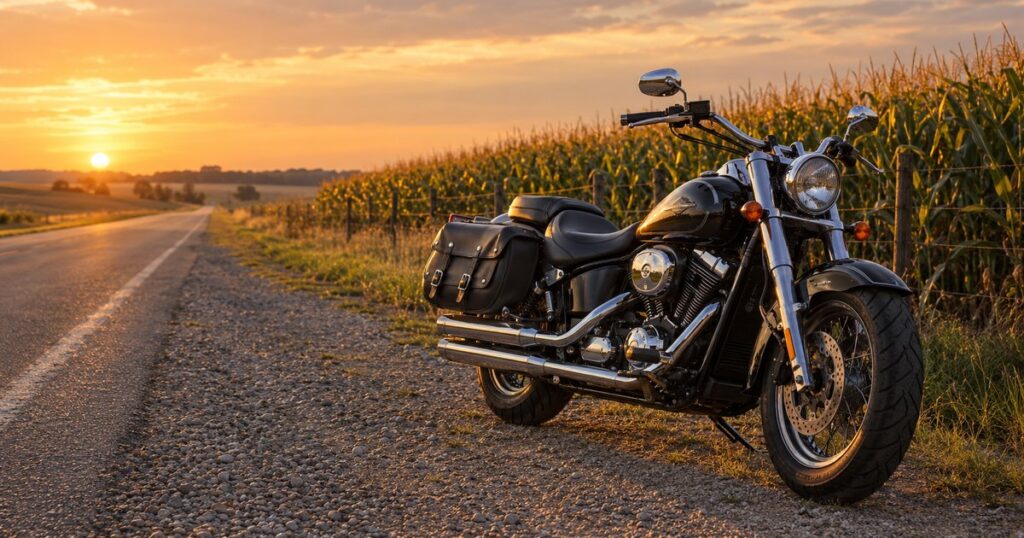
What does a motorcycle policy actually include?
A motorcycle policy is a standalone policy written for the bike, and it typically combines liability coverage, physical damage coverage on the motorcycle, and optional protection for you and your gear.
- Liability. Pays for injury and damage you cause to others. This is the part the state requires, and the part that can cost the most.
- Collision. Pays to repair or replace the bike after a crash, whoever is at fault.
- Comprehensive. Pays for losses that are not a crash, such as theft, fire, vandalism, and storm damage.
- Uninsured and underinsured motorist coverage. Protects you when the other driver has no insurance or not enough.
- Medical payments. Helps with medical bills for you and your passenger after an accident, regardless of who was at fault.
- Guest passenger liability. Protects a passenger when you cause the accident. Some states require it and others offer it as an option.
Policies and forms differ by carrier, so read your own declarations page rather than assuming.
How much liability does a rider need?
A rider needs enough liability to cover what a serious accident could cost, and the state minimum is almost never that number.
A minimum limit satisfies the law. It does not satisfy a lawsuit. If you hurt someone badly and the judgment is larger than your limit, the difference is your problem, and it reaches your savings and your home.
Insurance is just risk tolerance. Any limit can be a fair choice as long as you understand the risk you are keeping versus the risk you are transferring. Set the number on purpose, and look at it next to your umbrella insurance, which can add liability above the motorcycle policy if the underlying limit meets the carrier’s requirement.
What does comprehensive cover on a bike, and why does it matter?
Comprehensive coverage pays for losses to the bike that are not a collision, which for a motorcycle usually means theft, fire, vandalism, and storm damage.
A bike is easy to steal, light enough to load into a trailer, and often stored in an unattached garage or shed. A bike that sits in storage through an Iowa winter is exposed to more than weather. Ask whether comprehensive is on the policy, what the deductible is, and whether any special storage or locking terms apply. Cheap insurance is expensive when the first time you read those terms is after the bike is gone.
Why are accessories and custom parts the biggest gap?
Accessories and custom parts are often covered only up to a small built-in limit, so the money you put into the bike may not be in the coverage at all.
Chrome, exhaust, a custom seat, upgraded wheels, a paint job, saddlebags, a sound system. Many riders add thousands of dollars to a bike and never tell the carrier. The standard coverage may count only a modest amount for add-ons, and a claim can come back well short of what the bike is really worth to you.
Ask your agent three questions: how much do the policy’s accessories limit allow, how do you document the custom work, and is there a way to schedule or add coverage for it. Keep receipts and photos.
What about your passenger, your gear, and your own injuries?
Medical payments coverage can pay for you and your passenger no matter who caused the crash, and guest passenger liability protects a passenger when you are at fault.
A passenger on a motorcycle sits exposed, with no enclosure around them, and may have no health insurance of their own. If the rider has no medical payments coverage, that passenger can be left with the bills. Medical payments is no-fault, so it pays whoever was to blame. Guest passenger liability is a separate coverage for when you cause the accident, and whether it is required or optional depends on your state. Ask which you have. Some policies also offer a limited amount for riding apparel, and others do not. These options are easy to decline to save a few dollars. They are also the options that matter most when someone riding with you is hurt.
What should you check before the riding season?
Compare the bike you own today with the bike the policy describes, and fix the differences before the first ride, not after a claim.
- Confirm the liability limit and set it with your umbrella in mind.
- Confirm comprehensive is on the policy, and check the storage terms for winter.
- List the accessories and custom parts, with receipts and photos.
- Ask about medical payments for you and your passenger, guest passenger liability, and gear coverage.
- Check how the policy handles seasonal riding, including a lay-up period.
- Review the whole household. Our what most home and auto reviews miss checklist is a good first pass. Avanti’s motorcycle insurance page lists what we place.
How does Avanti review a motorcycle?
The Residential Risk Audit™ is Avanti’s structured personal-lines review, and for a rider it checks the liability limit, the comprehensive and storage terms, and the accessories before a loss, not after.
We ask how the bike is used, where it is stored, and what has been added to it. The Residential Risk Audit™ is how we do it for a household.
We will be more diligent on the front end, and there will likely be more questions than you have been asked before. That is so that after a claim, you won’t hate us.
Match the policy to the bike
A bike with custom work and a minimum-limit policy is a mismatch waiting for a claim. Size the liability, confirm comprehensive, and put the accessories on the record. Then bring the rest of your household back into view with our personal insurance guidance.
Is your motorcycle insured as the bike you ride, or as the bike you bought?
Frequently asked questions
What liability limit should I carry on a motorcycle?
Enough to cover a serious accident, which is almost always more than the state minimum. Set it on purpose and look at it alongside an umbrella policy if you have one.
Does comprehensive cover motorcycle theft?
Comprehensive coverage typically pays for theft, fire, vandalism, and storm damage, subject to your deductible and any storage terms. Confirm it is on your policy.
Are custom parts and accessories covered?
Often only up to a small built-in limit. Ask how much your policy allows, document the custom work with receipts and photos, and ask whether you can add coverage for it.
Does motorcycle insurance cover my passenger?
Medical payments coverage can pay for you and your passenger regardless of who was at fault. Guest passenger liability protects a passenger when you cause the accident, and some states require it while others make it optional. Ask your agent which you have.
Do I need motorcycle insurance in the off-season?
A stored bike can still be stolen or damaged. Ask whether your policy offers a lay-up or storage option that keeps comprehensive in force while you do not ride.