
A homeowners policy gives a boat only a small, limited amount of coverage, and most of what a boat owner is exposed to, such as on-water liability, a collision, or a theft from the dock, needs a separate watercraft policy.
Avanti Group sees boat owners assume the homeowners policy “has them covered” because the boat sits in the garage or on the trailer. This article explains what a homeowners policy usually does and does not do for a boat, what a standalone watercraft policy is built to cover, and the questions to ask before the next season starts. For the wider picture, start with Avanti’s personal insurance guidance.
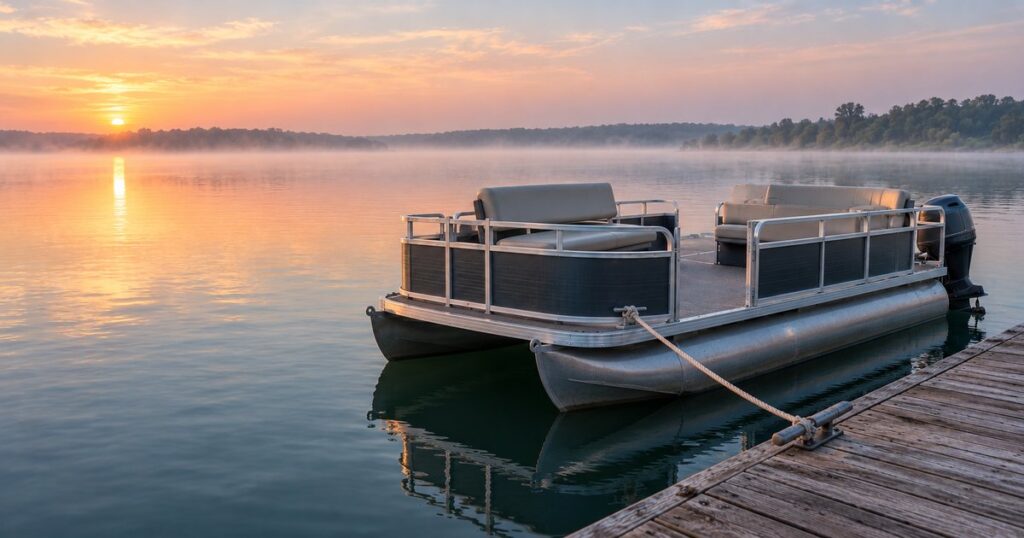
What does a homeowners policy actually cover on a boat?
A homeowners policy typically treats a boat as personal property with a low sublimit, so the coverage is narrow and the limits are small compared with what a boat costs.
Homeowners forms are written for the house and the household. Boats, motors, and trailers are commonly addressed in a short section that limits the amount and the causes of loss. The details vary by carrier and by form, so read your own policy rather than relying on a general rule.
Three gaps tend to show up. Larger boats and motors can exceed the sublimit. Coverage away from the home, such as on the water, may be restricted. And liability for a boat, which is the exposure that can really hurt, is often limited or excluded once the boat is above a certain size or power. Once the boat is properly insured, the next question is limits and umbrella attachment, which we cover in boat insurance liability limits and umbrella attachment.
Why isn’t the sublimit the real problem?
The sublimit is a dollar problem, but the bigger problem is liability, because a boat accident can injure other people and a homeowners policy is not built to be the answer.
A passenger falls, a tow-sports rider is hurt, a wake damages another boat or a dock. Those are lawsuits, not repair bills. A standalone watercraft policy puts bodily injury and property damage liability on the boat itself, with a limit you choose.
Cheap insurance is expensive when nobody explained what was traded away for the price. The boat that was “covered by the homeowners” is the example we see most. It looks fine until the claim.
What does a standalone watercraft policy cover?
A watercraft policy is a policy written for the boat, and it usually combines physical damage coverage on the boat, motor, and trailer with liability and medical payments for people on board.
- Physical damage. Pays to repair or replace the boat, motor, and trailer after a covered loss such as a collision, fire, theft, or storm damage. Ask whether the policy pays actual cash value or an agreed amount.
- Liability. Covers the damage or injury you cause to others. Check the limit, and ask how it connects to your umbrella.
- Medical payments. Helps with injuries to people on the boat, regardless of who was at fault.
- Uninsured boater coverage. Some policies offer protection if the other boater has no insurance or not enough.
- Towing and fuel spill response. Commonly offered as add-ons. Ask rather than assume.
What is agreed value, and why does it matter?
Agreed value means you and the carrier settle the boat’s value when the policy is written, so a total loss pays that number instead of a depreciated figure worked out at claim time.
Actual cash value subtracts depreciation, and boats depreciate. The two approaches can produce very different checks on the same loss. Insurance is just risk tolerance. Either can be a fair choice as long as you understand the risk you are keeping versus the risk you are transferring.
Where does the boat fit with the rest of your household?
The boat is one part of a household program, and the pieces should be set together, not bought one at a time.
Your homeowners insurance covers the house and what is in it. Our article on specialty dwelling insurance covers the lake cabin or seasonal property where the boat is often kept. Avanti’s boat and watercraft insurance page lists what we place.
Then the limits stack. Our umbrella approach is to build the walls high enough that in a lawsuit, people are more comfortable settling with maxing out the insurance policy than coming after your personal assets. If the boat adds a passenger-injury exposure to your life, ask how your umbrella insurance responds, and whether the boat’s liability limit meets the umbrella’s required underlying amount.
What should you check before the next season?
Confirm what the homeowners says about the boat, price the standalone policy against it, and get the answers in writing.
- Read the boat section of your homeowners policy for the sublimit, the size and power limits, and the exclusions.
- Ask where the boat is covered: the lake, the trailer on the road, winter storage.
- Decide actual cash value or agreed value, and set the number on purpose.
- Set the liability limit with the umbrella in mind.
- Disclose the use. Fishing, tow sports, and rental or charter use are not the same exposure.
- Review the whole household. Our what most home and auto reviews miss checklist is a good first pass.
How does Avanti review a boat?
The Residential Risk Audit™ is Avanti’s structured personal-lines review, and for a boat owner it checks the boat’s policy, the liability limit, and the umbrella connection before a loss, not after.
We ask how the boat is used, where it is kept, and who drives it. The Residential Risk Audit™ is how we do it for a household. Prefer to talk it through? Meet the Avanti team.
We will be more diligent on the front end, and there will likely be more questions than you have been asked before. That is so that after a claim, you won’t hate us.
Match the policy to the boat
A boat is a toy until it is a lawsuit. Find out what the homeowners really says, put the boat on its own policy where it needs one, and bring the rest of the household back into view with our personal insurance guidance.
Is your boat insured as the asset it is, or as an afterthought on the house policy?
Related reading
- Snowmobile and Off-Season Recreation Coverage in Iowa — Where homeowners coverage stops, what a snowmobile policy adds, and what to confirm in the off-season.
Frequently asked questions
Does homeowners insurance cover my boat?
Usually only in a limited way. Many homeowners policies cover a boat as personal property with a small sublimit and restrict liability, especially for larger boats and motors. Check your policy and ask your agent.
Do I need boat insurance in Iowa?
Iowa does not generally require insurance for most recreational boats, but lenders, marinas, and some lakes may. Separate from any requirement, a watercraft policy is how a boat gets real liability and physical damage coverage.
What is the difference between agreed value and actual cash value on a boat?
Agreed value is a settled amount on a total loss. Actual cash value subtracts depreciation at the time of the claim. The two can produce very different payments for the same boat.
Does an umbrella policy cover a boat?
An umbrella can add liability limits above the boat’s underlying policy, but it generally requires that underlying coverage first. Confirm how your umbrella treats watercraft and the minimum limit it requires.
Is my boat covered when it is on a trailer or in winter storage?
It depends on the policy. Ask specifically about the trailer, transport on the road, and storage, and get the answer in writing.