
A snowmobile generally needs its own powersports policy, because a homeowners policy typically offers little or no liability or physical damage coverage for a motorized vehicle, and that coverage often shrinks further once the sled leaves your property.
Avanti Group sees families treat the snowmobile like a winter toy that lives in the shed for nine months, then rides on borrowed trails with friends on the back. This article explains where homeowners coverage stops, what a snowmobile policy adds, and what to confirm in the off-season and before the first ride. Not sure where your coverage stands? Start with Avanti’s Residential Risk Audit™.
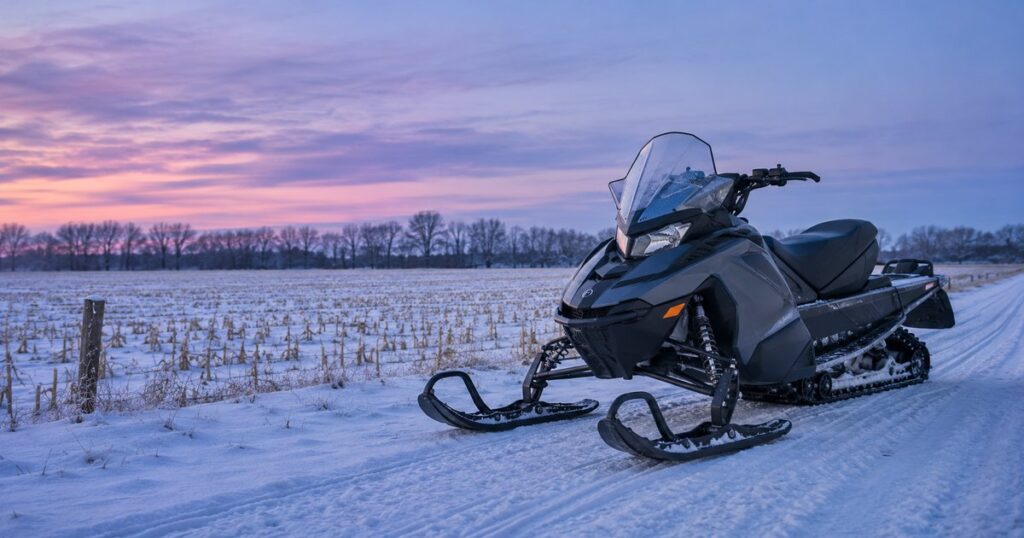
Does homeowners insurance cover a snowmobile?
Homeowners insurance typically excludes or heavily limits motorized vehicles, so a snowmobile usually needs a separate policy for liability and for damage to the sled itself.
Most homeowners forms are written around the house and its contents, with liability for ordinary household activity. A motorized vehicle is a different kind of exposure, and many policies carve it out or cap it. Some forms offer narrow coverage while the sled is on your property, which can disappear on a trail, a lake, or a friend’s land.
The wording varies by carrier and form, so read yours instead of assuming. Ask a direct question: if a guest is hurt on this snowmobile, or the sled is stolen from the trailer, which policy responds?
What does a snowmobile policy cover?
A snowmobile or powersports policy is a standalone policy that can include liability, physical damage to the sled, and coverage for the people on it, written for how the vehicle is actually used.
Coverage options vary, so confirm each of these with your agent:
- Liability. Protection if you injure someone or damage property while riding. Passengers and other riders are the exposure that matters most.
- Physical damage. Collision and comprehensive on the sled, including theft, fire, and storage damage.
- Medical payments and uninsured or underinsured riders. Optional on some forms, and worth asking about if you ride with family and friends.
- Trailer and gear. Trailers, covers, and accessories are sometimes treated separately.
Cheap insurance is expensive when the savings come from limits you quietly needed. Might not be true on day one. After a claim, that is when it really shows.
Insurance is just risk tolerance. A lower limit on a sled can be a reasonable choice when you understand exactly how much of the risk you are keeping.
What changes when the sled rides on trails, lakes, and other people’s land?
Where you ride affects your coverage, so ask how the policy treats groomed trails, frozen lakes, and private land that is not yours.
Trail riding adds exposures the shed never had: other riders, crossings, and landowners who have agreed to let you pass. Some policies limit or exclude certain uses, such as racing or organized events, and some treat rented or borrowed sleds differently from your own.
Registration and trail-use requirements are set by the state, not by your insurer. Check the Iowa Department of Natural Resources for current snowmobile registration and trail rules, and ask your agent how those requirements interact with your policy.
Is the off-season a coverage question too?
Yes, because a sled sitting in the shed from spring to winter is still exposed to theft, fire, and storage damage, and the way you handle the policy in the off-season can affect the first ride.
Some owners drop physical damage coverage for the summer and add it back in the fall. If you do that, confirm how fast coverage resumes and whether you need to call before the first ride. Our article on storage-only auto policies covers the same restart logic for parked vehicles.
Where the sled is stored matters too. A locked, enclosed building is different from a trailer parked in the yard, and carriers may ask which one it is. Also check what else lives in that building. Your homeowners policy may limit stored equipment, tools, and trailers. Our what most home and auto reviews miss checklist is a good first pass.
What should you confirm before the first ride?
Confirm the liability limit, who is covered as a rider, where you can ride, and how the policy restarts after the off-season.
- Ask who is covered. Family members, guests, and anyone who borrows the sled should be named or clearly included.
- Check the limit against the household. A sled can carry a passenger or pull one on a sled behind it. Ask whether the liability limit fits the people involved.
- Confirm the territory and use. Trails, lakes, private land, and events can be treated differently.
- Know the restart rules. If coverage pauses in the summer, learn how it comes back.
- Look at the umbrella. An umbrella policy adds liability above your underlying limits, and it generally depends on the underlying policies staying in place and meeting any required limits.
- Think about the rest of the toy box. See our related pieces on motorcycle insurance and boat and watercraft insurance.
For the full set of options, see Avanti’s powersports insurance page.
How does Avanti review a household with recreational vehicles?
The Residential Risk Audit™ is Avanti’s structured personal-lines review, and for a household with a snowmobile it checks what the homeowners policy leaves out, what the sled policy adds, and how the limits stack with the umbrella.
We ask what vehicles you own, where they are kept, who rides them, and where they go. The Residential Risk Audit™ is how we do it for a household.
We will be more diligent on the front end, and there will likely be more questions than you have been asked before. That is so that after a claim, you won’t hate us.
Ride on purpose
A snowmobile deserves the same planning as any vehicle that carries people. Get the coverage in writing, size the liability to the riders, and settle the off-season and restart questions before the first snowfall. Next step: pull your homeowners and auto policies and check what they say about snowmobiles, trailers, and off-season storage. Don’t want to do this yourself? Let us help. Start with a Residential Risk Audit™ or meet the Avanti team.
If a friend were hurt on your sled this winter, would the right policy respond?
Frequently asked questions
Does my homeowners policy cover my snowmobile?
Usually not in a meaningful way. Homeowners policies typically exclude or limit motorized vehicles, and any coverage that does apply often narrows off your property. Ask your agent to confirm in writing.
What does snowmobile insurance typically include?
It can include liability, collision and comprehensive on the sled, and optional medical payments or uninsured rider coverage. Options and terms vary by carrier, so confirm each one.
Do I need insurance to ride on trails in Iowa?
Registration and trail requirements are set by the state, so check the Iowa Department of Natural Resources for current rules. Separately, insurance protects you financially if someone is hurt or property is damaged.
Can I pause coverage on my snowmobile in the summer?
Some carriers allow reduced coverage during storage. Ask how it works, how quickly full coverage resumes, and whether you must call before the first ride.
Does an umbrella policy cover a snowmobile accident?
It can sit above the liability on a snowmobile policy, but umbrellas usually require specific underlying policies and limits. Ask your agent how your umbrella treats recreational vehicles.