
Comprehensive vs Collision on Commercial Auto: What’s Worth Carrying

Comprehensive and collision are optional on commercial auto — here is how vehicle value, lender requirements, and deductible math decide what to carry.
Comprehensive and collision are optional on commercial auto — here is how vehicle value, lender requirements, and deductible math decide what to carry.
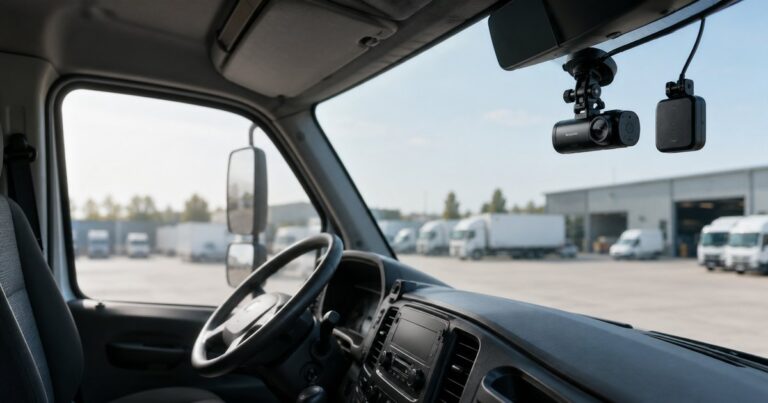
A fleet safety program is a written policy carriers reward. Here are the five parts underwriters want to see — and how to turn them into premium credit.

A driver MVR program defines who can drive, how often you review records, and which violations are disqualifying. Here's what underwriters expect to see.
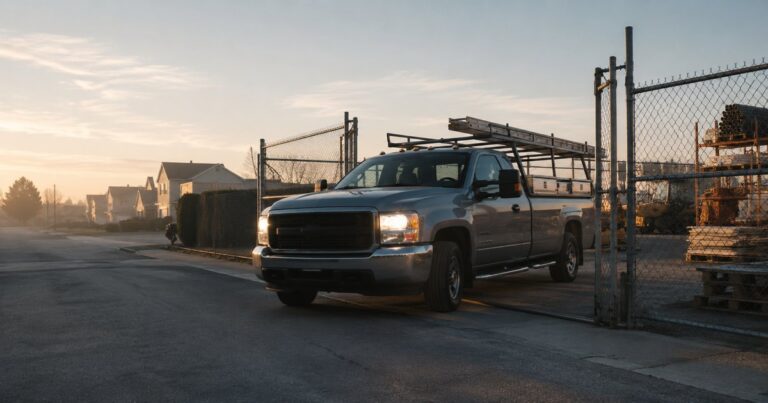
Where personal auto ends and commercial auto begins: business-use exclusions, business-titled vehicles, and trade trucks that live in both worlds.

The MCS-90 is a federal financial-responsibility guarantee to the public, not coverage for the carrier. Here's when it pays and when you get billed back.
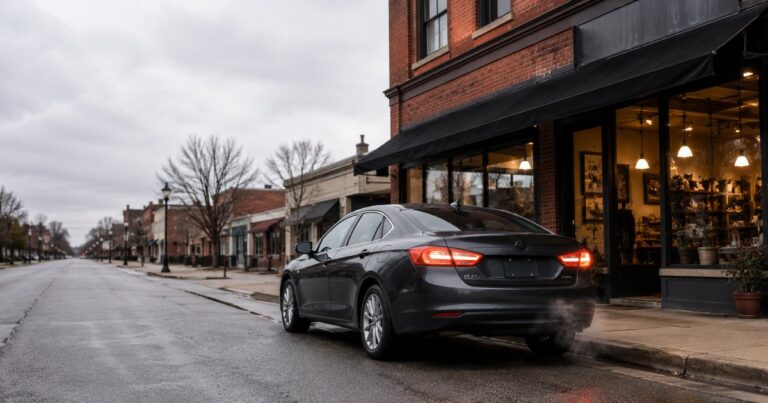
Hired and non-owned auto (HNOA) protects your business when employees drive personal or rented vehicles for work. What it covers and why most firms need it.

Commercial auto rates are climbing on nuclear verdicts, litigation funding, and distracted driving. Here's what's driving it and what buyers can do.

Commercial auto symbols are the codes that decide which vehicles each coverage insures. Here's what 1, 7, 8, and 9 cover — and why 7 alone leaves gaps.