
Building a Fleet Safety Program and Proving It to Underwriters
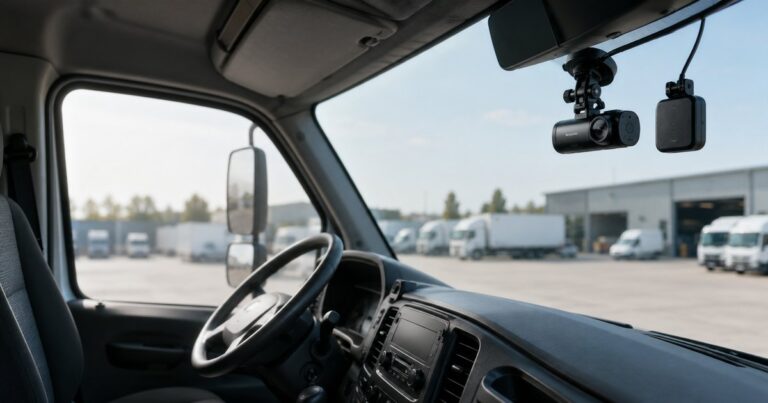
A fleet safety program is a written policy carriers reward. Here are the five parts underwriters want to see — and how to turn them into premium credit.
A fleet safety program is a written policy carriers reward. Here are the five parts underwriters want to see — and how to turn them into premium credit.

Independent insurance agent vs captive: one represents the buyer across many carriers, one sells a single carrier. Here's why the difference matters.
Five commercial insurance renewal mistakes cost business owners every year — from shopping too late to comparing premium not coverage. Avoid each one.
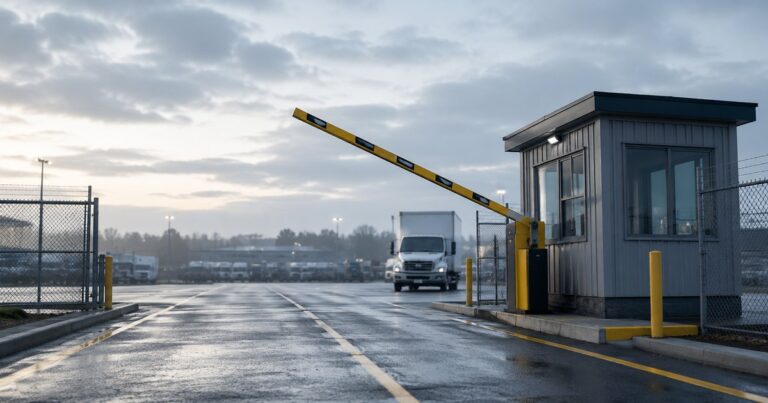
A driver MVR program defines who can drive, how often you review records, and which violations are disqualifying. Here's what underwriters expect to see.
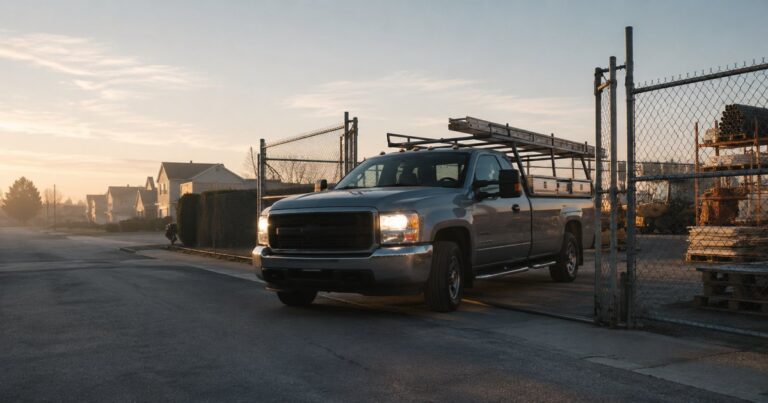
Where personal auto ends and commercial auto begins: business-use exclusions, business-titled vehicles, and trade trucks that live in both worlds.

The MCS-90 is a federal financial-responsibility guarantee to the public, not coverage for the carrier. Here's when it pays and when you get billed back.
Hired and non-owned auto (HNOA) protects your business when employees drive personal or rented vehicles for work. What it covers and why most firms need it.

Commercial auto rates are climbing on nuclear verdicts, litigation funding, and distracted driving. Here's what's driving it and what buyers can do.

Commercial auto symbols are the codes that decide which vehicles each coverage insures. Here's what 1, 7, 8, and 9 cover — and why 7 alone leaves gaps.

Contractor workers comp is decided by trade class codes, the sub-vs-employee line, and how well certificates and indemnity actually transfer the risk.